115 S Lakeline Blvd, ST #301, Cedar Park, TX, 78613
Bonded & Insured
Cedar Park, TX

Deck Builder in Cedar Park, TX Decks Built for Hill Country Heat & Slopes

Cedar Park backyards are hard on decks. Summer highs sit in the upper 90s from June through September, and plenty of afternoons go past 100°F. The UV grays and splits pine boards in just a few seasons. Many lots slope toward a greenbelt or creek, and the ground underneath might be shallow limestone or clay that swells after every storm. Cedar Park Pro Deck Builders designs for those conditions. We match boards, fasteners, finishes and footings to your lot, so the deck stays level, cool enough to walk on and safe to use for years.

Most of our work is replacing the small 1990s and 2000s builder decks found in Buttercup Creek, Cypress Creek and Twin Creeks. We also build elevated and multi-level decks for sloped lots in Brushy Creek, Leander, Jonestown and Volente. Every project starts with a site visit. When it helps, we'll draw up a 3D-style layout, and we handle the HOA architectural submittal paperwork for you. You'll get a clear price and a firm schedule before we break ground, so there's no guessing about cost or start date.

  • Building decks in Central Texas since 2020
  • Bonded
  • Fully insured
  • Financing available
Free Estimate

Request Your Free Estimate

No obligation. Fast, honest quotes.

Prefer to talk? Call (512) 872-4389 — your details are never shared.

Credentials & Certifications BondedInsuredFinancing available
What We Do

Deck Building and Repair Services for Cedar Park Homes

Whether you need a first deck behind a new Leander home, a replacement for a tired 1998 pine deck, or an elevated deck on a Lake Travis slope, we build it to suit the lot. Below are our services, grouped the way homeowners usually ask about them.

★ Specialty

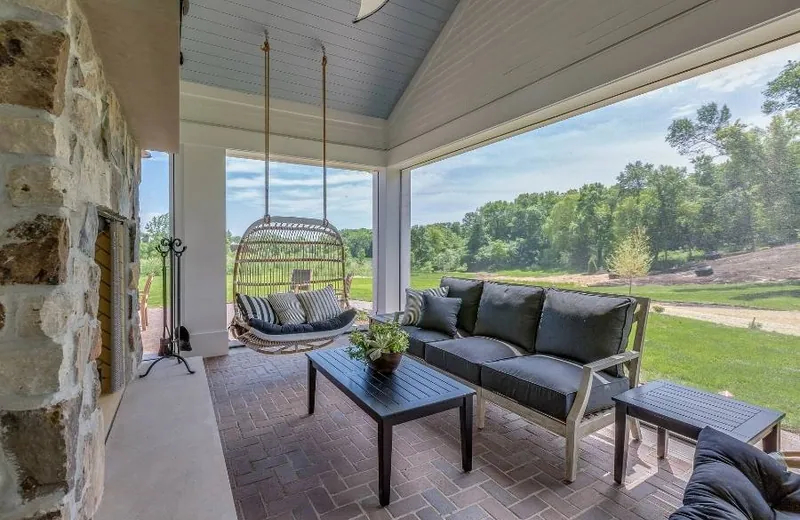
Custom Deck Design & Installation (incl. Multi-Level, Cantilever & Ground Level Decks)

We design and build decks to fit how your family uses the yard, whether that's for grilling, play space, the view or all three. That ranges from simple ground-level decks to multi-level and cantilever designs that step down a slope.

We walk the site and check grade, sun angle, soil and drainage. We'll sketch a 3D-style layout when it helps you decide. Then we size the footings, beams and joists for your conditions and pull the permits your city requires.

Many Cedar Park lots fall away toward greenbelts and creeks, so elevated and multi-level decks make up a big share of our work. On Jonestown, Volente and Lago Vista hillsides, we plan stair runs and landings so the deck reaches the yard without blocking the view.

Best for: Homeowners on sloped greenbelt or lake lots, families who want separate areas for dining and lounging, and new-build owners in Leander or Liberty Hill starting with an empty backyard.

Explore
★ Specialty

Composite & PVC Deck Installation

We install capped composite and cellular PVC decking that doesn't need staining, resists fading and won't split the way pine does in Texas sun. We use hidden fasteners and the gapping each manufacturer specifies.

We help you compare brands and colors, and we steer you toward lighter, heat-mitigating shades for decks that get afternoon sun. Boards go over properly spaced framing, using the manufacturer's installation specs so the product warranty stays valid.

Composite is the most popular upgrade for replacing the original builder decks in Buttercup Creek, Twin Creeks and Avery Ranch. PVC is worth considering on lake decks in Hudson Bend and Lakeway, where moisture and sun exposure are both high.

Best for: Busy families, Sun City residents who want low maintenance, and anyone who's tired of restaining a pine deck every couple of years.

Explore

Wood Deck Construction (Pressure Treated, Cedar, Redwood & IPE)

We build natural wood decks. Options include budget-friendly pressure-treated pine, aromatic cedar, redwood, and dense ipe hardwood, which is very durable and naturally resists insects and fire.

We use ground-contact-rated lumber where code and conditions call for it, and coated or stainless fasteners. We pre-drill hardwoods, seal end cuts, and leave enough clearance and airflow underneath to slow rot.

Pressure-treated pine is a good fit for budget rebuilds in Jollyville and Wells Branch. Ipe is a common choice on higher-end custom homes in West Lake Hills, Rollingwood and Bee Cave, and its density gives it an advantage in juniper-heavy areas with wildfire risk.

Best for: Owners who want the look of real wood, buyers watching their budget, and luxury projects that call for premium hardwood.

Explore

Pool, Hot Tub & Above Ground Pool Decks

We build decks around in-ground pools, above-ground pools and hot tubs, with slip-resistant surfaces, framing sized for the weight, and safe steps and gates.

A filled hot tub can weigh several thousand pounds, so we design the framing for that load. We choose boards that handle constant splashing and won't get too hot near the water, and we plan for utility access and pool-barrier requirements.

Pools get used from April to October here, so cool-to-the-touch surfaces and shade near the water make a real difference. We often pair pool decks with pergolas in Teravista, Falcon Pointe and Avery Ranch backyards.

Best for: Families adding a hot tub, homes with above-ground pools in larger yards, and owners updating the area around an existing pool.

Explore

Rooftop Deck Installation & Balcony Deck Renovation

We build rooftop decks and renovate second-story balconies. That includes new waterproofing, framing repairs, surface materials and guardrails.

We start by checking the structure underneath. Then we install a waterproof membrane, sleepers or pedestal systems, and code-height guards, making sure water drains away from the living space below.

Balcony decks on hillside homes in Lakeway and Rough Hollow take heavy sun and wind. Renovations there usually involve replacing the waterproofing that has failed and swapping in railings that don't block the lake view.

Best for: Lake and hill-view homes, townhome balconies with leaks or soft spots, and owners adding an upper-level outdoor room.

Explore

Floating Deck Installation

We build freestanding, low-profile decks that aren't attached to the house. They work well over a cracked slab patio, in a corner of the yard, or under a tree.

We set footings that suit the soil, use ground-contact framing, and leave clearance for airflow underneath. Fire ant mounds and termite activity get treated before we start building.

Floating decks are a simple upgrade for the plain concrete patios that came with many Cedar Park production homes. Because they sit low, they can often stay under HOA height limits.

Best for: Low-budget backyard upgrades, covering an old slab, and creating a level spot on a gently sloped yard.

Explore

Railing Systems (Deck Railing, Cable, Composite, Aluminum & Outdoor Stair Railing)

We install new railings and replace old ones, using wood, composite, powder-coated aluminum or stainless cable systems. We also install code-compliant handrails on outdoor stairs.

Posts are attached with structural blocking and hardware rather than notched. Guards are at least 36 inches high with openings under 4 inches, and cable systems are tensioned to the manufacturer's spec.

Cable and aluminum railings are popular in Lago Vista, Volente and Hudson Bend, where homeowners want to keep the lake and Hill Country views. Aluminum also holds up better to hail than many vinyl options.

Best for: View lots, older decks with railings that don't meet code, and homeowners who want low-maintenance metal or composite.

Explore

Deck Stairs & Landing Construction

We build safe, comfortable stairs and intermediate landings that connect elevated decks to the yard, pool or lower deck levels.

We calculate consistent riser and tread dimensions, set landing footings, add stringer support for longer runs, and install graspable handrails with lighting options for nighttime use.

Steep lots in Jonestown and on greenbelt edges often need long stair runs with landings. For Sun City homeowners, we design shallow, low-step stairs that are easier on the knees.

Best for: Elevated decks, replacing stairs that are rotting or uneven, and homeowners who want accessibility-friendly steps.

Explore

Pergola, Deck Cover, Covered Patio & Deck Enclosures

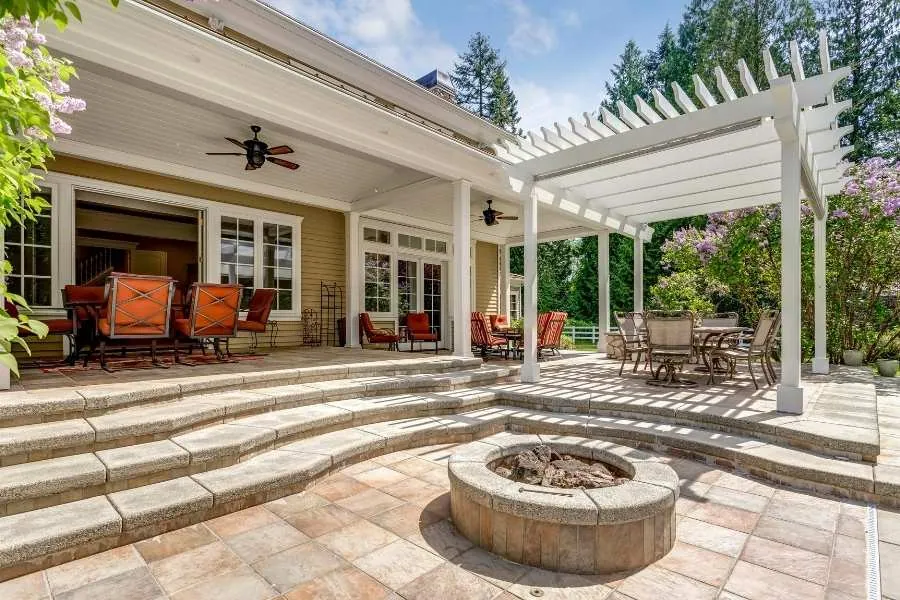
We add shade and shelter with open pergolas, solid-roof deck covers, covered patios and screened deck enclosures that keep mosquitoes out.

Posts and beams are sized for wind loads. We tie covers into the roof properly or support them on their own footings, and we choose roofing and panels that handle hail.

Shade is often what turns a Cedar Park deck into something you can use in summer. New-home owners in Crystal Falls, Travisso and Santa Rita Ranch frequently add covers right after closing. Most covers need both a permit and HOA approval.

Best for: West-facing yards, families who want to use the deck year-round, and anyone dealing with mosquitoes or summer glare.

Explore

Deck Repair, Restoration & Framing/Structural Repair

We fix aging decks. That includes rotted ledgers, failing footings, damaged joists, loose rails and popped boards, so you can keep the structure that's still good.

We do a full inspection with probing and photos. After that, we replace members in order of priority, add flashing, joist hangers and lateral connectors, and give you an honest repair-versus-replace recommendation.

Many 1990s Cedar Park decks and 1970s–80s Jollyville and Wells Branch decks have structural shortcuts. Fixing the framing first often makes it possible to put new boards on top instead of rebuilding everything.

Best for: Homeowners with older decks, buyers or sellers working through inspection reports, and decks with storm damage.

Explore

Deck Cleaning, Staining, Sealing, Painting & Waterproofing

We clean, brighten, stain, seal, paint and waterproof wood decks to restore their color and protect them from UV and moisture.

We use a careful soft wash or low-pressure wash, apply a wood brightener, sand where it's needed, and finish with penetrating UV-stable stains. Fully dry wood is required before any coating goes on.

In Cedar Park's sun, most wood decks need refinishing every 1–3 years. The best times to schedule are late spring, between the May rains and peak heat, or fall, after October storms, when temperatures are mild.

Best for: Graying wood decks, homes getting ready to list, and owners who want to extend the life of a sound structure.

Explore

Deck Resurfacing & Refinishing

When the framing is sound but the surface is worn out, we replace only the decking. Often that means switching from pine to composite or PVC.

We check and reinforce the joists, add joist tape and blocking where needed, and adjust joist spacing to match the requirements of the new boards.

Resurfacing is a cost-effective choice for many Avery Ranch and Ranch at Brushy Creek decks, where the framing has held up but the pine boards are splitting.

Best for: Homeowners who want a new look and low-maintenance boards without paying for a full rebuild.

Explore

Deck Skirting, Privacy Solutions & Composite Fence Installation

We install deck skirting, privacy screens and walls, and composite fencing to give you privacy and cover up the space under the deck.

Skirting is vented so air keeps moving under the deck, which is important for preventing rot and termites. Privacy panels and fences are installed with posts set for wind loads.

Production-home lots in Cedar Park are close together, so privacy screens are a common request. Skirting also keeps pets out from under the deck and discourages fire ants. HOAs usually review colors and heights.

Best for: Close-set subdivision lots, homes with pets, and owners who want a finished look below an elevated deck.

Explore
Know The Signs

Common Deck Problems We See Around Cedar Park

Most decks in this area fail for predictable reasons: heat, water, moving soil and shortcuts taken when the house was built. Here are the problems we see most often, how serious each one is, and what to look for before a small repair turns into a full rebuild.

Rotted or Unflashed Ledger Board Emergency

The ledger is the board that attaches the deck to your house. If it was installed without flashing, water gets trapped between the ledger and the rim joist, and both start to rot. Once the ledger weakens, the deck can pull away from the house, sometimes with no warning.

Why it's common here

Builder decks from the 1990s and 2000s were often attached straight over hardboard siding with nails or a few lag screws and no metal flashing. For decades, May and October downpours have run behind those boards, and long dry spells in between kept the wood cracking open and letting more water in. Older Jollyville and Wells Branch decks are often worse because their ledgers were simply nailed on. By now, many of these connections have little holding strength left.

Signs you'll notice
  • Soft or spongy wood where the deck meets the house
  • Dark staining or swollen siding behind the ledger
  • A gap opening between the ledger and the wall
  • Rusted nails or lag heads
  • Deck bounces or sways when people gather
  • Interior drywall stains on the other side of the wall
Local patterns

We see this most often on original decks in Buttercup Creek, Cypress Creek, Anderson Mill and Wells Branch, particularly where hardboard siding is still in place. Decks on the north side of a house, which stay damp in the shade, usually rot first.

Our fix: We remove the failed ledger and repair any rotted rim joist. Then we install proper flashing and through-bolts or structural screws, and add lateral load connectors that meet current code.

Footing Heave and Settlement Serious

Footings move when the soil under them swells, shrinks or washes out. The deck tips, the framing racks out of square, and gaps open at the house. Doors to the deck may stick, and stairs can pull away from the landing.

Why it's common here

Expansive Blackland Prairie clay from Round Rock to Pflugerville can rise and fall several inches between a wet spring and an August drought. Footings that are too shallow or undersized ride along with it. On the west side, contractors sometimes stop digging when they hit limestone and set posts on a thin layer of soil instead of anchoring into rock. Then a heavy storm washes that soil out from under the post.

Signs you'll notice
  • Deck surface visibly out of level
  • Posts leaning or lifted off their bases
  • Cracked or tilted concrete piers
  • Stairs separating from the deck
  • Gaps opening at the ledger in late summer
  • Doors and gates sticking or not latching
Local patterns

Clay-related heave shows up most in Teravista, Falcon Pointe and eastern Leander. Washed-out footings on rock are common on the slopes in Jonestown, Lago Vista and Volente. Decks near creek greenbelts in Brushy Creek see both problems.

Our fix: Depending on the soil, we set new footings that go deeper into clay or anchor into the limestone. Then we re-level the posts and beams and reinforce or replace any racked framing.

Loose or Non-Compliant Railings Serious

A guardrail has to stop a fall. Over time, rails loosen as fasteners corrode and posts shrink. Many older decks were also built with rails that are too short or balusters spaced wider than 4 inches, so they never met the current safety standard.

Why it's common here

Each wet-dry cycle swells and shrinks post bases, which slowly loosens the bolts. Posts that were notched to fit the rim joist, a common builder shortcut, crack under that repeated stress. Hail and straight-line winds add more wear. On elevated decks over sloped greenbelt lots, where the drop can easily be 6–10 feet, a weak rail is a real hazard, especially for families with young kids.

Signs you'll notice
  • Rail posts move when you push on them
  • Balusters spaced 4 inches or wider
  • Top rail lower than 36 inches
  • Cracks at notched post bases
  • Rusted or missing fasteners
  • Stair handrails that wobble or stop short
Local patterns

We see loose rails all over the original sections of Cypress Creek and Twin Creeks. Lake Travis homes often have old wood rails that block the view, and owners want to replace them with cable or aluminum systems.

Our fix: We rebuild the post connections with structural hardware. Then we install code-compliant wood, composite, aluminum or cable railing systems at the correct height and spacing.

UV-Damaged, Splitting Deck Boards Moderate

Ultraviolet light breaks down lignin in the surface of the wood. Boards turn gray, then check, split and splinter. Once a board cracks, it holds water, rots from the inside, and becomes rough or unsafe to walk on barefoot.

Why it's common here

West-facing decks around here get several hours of direct, high-UV sun on summer afternoons, often at 100°F or hotter. Builder-grade pine with a cheap stain or none at all can gray in its first summer. Each sudden downpour followed by fast drying adds to the damage, which is why so many 15–20-year-old decks around Cedar Park are splintery and have cupped boards.

Signs you'll notice
  • Silver-gray, fuzzy wood surface
  • Long cracks along the grain
  • Splinters on bare feet
  • Boards cupping or curling at edges
  • Stain peeling or flaking in patches
  • Screw heads popping above the surface
Local patterns

This is worst on west- and south-facing decks with no tree cover, which describes many newer lots in Leander, Liberty Hill and Santa Rita Ranch where the builder cleared the trees.

Our fix: If the framing is sound, we replace the damaged boards and then clean, brighten and seal the deck with a UV-stable finish. If too many boards are gone, we resurface it in composite or PVC.

Termite and Wood-Decay Damage Serious

Subterranean termites and decay fungi eat wood from the inside. Joists and posts can look fine on the surface while they lose most of their strength underneath, especially near the ground.

Why it's common here

Central Texas has active subterranean termite colonies and enough warmth and humidity for fungi to thrive. Many older decks used lumber rated only for above-ground use on posts and low joists, sat right against soil or mulch, or had too little ventilation underneath. Ground-level decks over clay that stays wet after storms are especially likely to have problems.

Signs you'll notice
  • Mud tubes on posts or foundation
  • Wood that sounds hollow when tapped
  • Screwdriver sinks easily into joists
  • Fungal growth or white mats under the deck
  • Sagging spans between posts
  • Frass or crumbling wood near grade
Local patterns

We find this most often on low decks in shady Anderson Mill, Jollyville and Brushy Creek yards with mature oaks. Fire ant mounds under the same decks tell us the ground there stays damp.

Our fix: We probe and map the damaged members and replace them with ground-contact-rated lumber. We also improve clearance and drainage so the new wood stays dry.

Overheating Composite and No Usable Shade Minor

A deck you can't use from June to September isn't doing much for you. Dark composite boards can reach temperatures that are painful to stand on, and an uncovered deck facing west is basically unusable on summer afternoons.

Why it's common here

Many homeowners picked dark composite colors from a showroom sample without knowing how they'd perform in Cedar Park's afternoon sun. Production-home backyards often have no mature trees, and HOA rules can limit what kind of shade structure you can add. The result is a deck that's hot to stand on and only gets used for a few months in spring and fall.

Signs you'll notice
  • Boards too hot to stand on barefoot
  • Family avoids deck until evening
  • Furniture and cushions fading fast
  • Kids and pets can't play outside in summer
  • Glare reflecting into the house
  • Grill area unusable mid-day
Local patterns

This is common on new-construction lots in Crystal Falls, Travisso, Santa Rita Ranch and Teravista. Sun City residents in Georgetown often bring it up when they want a covered, low-step deck.

Our fix: We add a pergola, solid deck cover or covered patio. When it's time to resurface, we switch to lighter, heat-mitigating composite or PVC boards.

Storm and Limb Damage Moderate

Falling branches, hail and straight-line winds can crack boards, dent aluminum rails, tear pergola roofs and knock framing out of alignment. Some of the damage is easy to spot. Other damage, like a cracked joist under the deck, isn't visible from above.

Why it's common here

Winter Storm Uri in 2021 and the February 2023 ice storm brought heavy oak limbs down on decks across the area. Spring hail is common enough that the Austin–Round Rock market sees a lot of hail claims. Oak wilt also means tree trimming near a deck should be done at the right time of year. Many homeowners wait to trim, and then a storm brings the limbs down for them.

Signs you'll notice
  • Cracked or crushed boards
  • Dented railing or pergola panels
  • Bent joist hangers or brackets
  • Posts knocked out of plumb
  • Torn or holed deck cover roofing
  • New wobble after a storm
Local patterns

We see this most under the mature live oaks in Anderson Mill, Brushy Creek and older Cedar Park. On exposed lake-view decks in Hudson Bend and Lakeway, wind damage is the bigger problem.

Our fix: We do a structural check, document the damage with photos for your insurance claim, and replace the damaged boards, rails, framing and cover materials.

Transparent Pricing

How Much Does a Deck Cost in Cedar Park?

Most new decks in the Cedar Park area cost about $35 to $110 per square foot installed. Where your project falls in that range depends on the material, the height, the soil and any extras like covers. Here's what affects the price, along with typical ranges for common projects.

Typical Project

Replace a worn builder deck with composite

About 200 sq ft at low height in Buttercup Creek; demo old pine, new framing, composite boards, simple rail

$11,000 – $18,500
Typical Project

New deck with pergola behind a new build

About 320 sq ft composite deck plus pergola in Crystal Falls or Santa Rita Ranch; HOA submittal and permit

$24,000 – $42,000
Typical Project

Elevated multi-level view deck on a lake slope

About 450 sq ft over two levels in Jonestown or Volente; rock footings, tall posts, stairs, cable railing

$48,000 – $95,000
Typical Project

Repair and refinish an older wood deck

Ledger flashing, joist hangers, replace damaged boards, tighten rails, clean and stain about 300 sq ft

$2,500 – $8,500
Decking Material Primary Factor

Pressure-treated pine costs the least up front, but in Texas sun it needs restaining every one to three years. Cedar and redwood cost more. Composite and PVC are a larger investment but don't need staining or painting. Ipe sits at the top of the price range. In this climate, maintenance costs over time often narrow the difference between wood and composite. Because wood prices swing, we re-check them for every quote.

Height, Slope and Levels Primary Factor

A ground-level deck on a flat Leander lot is fairly simple. An elevated or multi-level deck on a greenbelt or lake slope needs taller posts, bigger beams, bracing, stairs with landings and code-height guardrails. Elevation also triggers railing requirements on every open side once the deck is more than 30 inches above grade, and that can add a lot to the price.

Soil and Footings Major Factor

Limestone on the west side often means core drilling or jackhammering each footing hole. Expansive clay to the east calls for deeper, properly designed piers to resist heave. Either one can raise foundation costs compared with easy digging. On a steep lot with tight access, materials may have to be carried in by hand, which also adds labor.

Railings, Covers and Add-Ons Major Factor

Wood railings are the least expensive. Composite, aluminum and stainless cable systems cost progressively more per linear foot. Pergolas, solid deck covers, lighting, skirting and privacy walls each add to the total. For many Cedar Park families, shade ends up being a must-have, because without it the deck sits unused through the summer.

Permits, HOA and Demolition Secondary Factor

Permit fees vary by city. HOA submittals take time, and lake properties may need extra review. Tearing out and hauling away an old deck usually adds a few hundred to a couple thousand dollars, depending on its size and how it was built.

Financing is available for qualified homeowners. Ask about options during your site visit, especially if you're combining a deck with a cover or pergola. A well-built deck with shade adds outdoor living space you can use for most of the year here. A sound, permitted structure is also easier to explain to buyers than an aging deck that shows up on an inspection report.

Local Expertise

Why Cedar Park Homes Need a Deck Builder Who Knows the Hill Country

Cedar Park sits on the Balcones Escarpment, where the Hill Country drops into the Blackland Prairie. Within a short drive you'll go from bare limestone to shifting clay, from flat yards to steep lake lots, and from one permit office to the next. A deck plan that works in Dallas or Houston won't automatically hold up here.

Heat, UV and Boom-and-Bust Rainfall

From June through September, highs in the mid-to-upper 90s are normal, and the 2023 summer set records for extreme heat. Strong UV dries out unprotected wood quickly. Pine turns gray, checks and splits, and cheap stains fade within a season. Dark composite boards in full afternoon sun can get too hot to walk on barefoot. Rain is a problem in a different way. The area averages about 32–36 inches a year, but it tends to arrive in heavy bursts, mostly in May and October, with long droughts in between. Each wet-dry cycle swells and shrinks wood, which backs fasteners out and cups boards. Spring hail and straight-line winds dent railings and pergola roofs. Brief hard freezes like Winter Storm Uri in 2021 and the February 2023 ice storm brought oak limbs down onto decks across the metro.

Two Kinds of Ground, Two Kinds of Footings

Soil changes sharply across our service area. West of US-183 and around Lake Travis, including Jonestown, Lago Vista, Volente, Hudson Bend, Lakeway and Bee Cave, there's usually only a few inches of rocky soil over limestone. Footing holes there often need rock augers, core drills or a jackhammer. Toward Round Rock, Pflugerville and parts of Leander and Georgetown, the ground is expansive Blackland Prairie clay. It swells when wet and cracks open during drought. Shallow piers in that clay can heave and settle unevenly, which pulls framing out of level and opens gaps at the house. We decide on footing depth and type after looking at your actual soil.

Aging Builder Decks Across Cedar Park

Cedar Park grew mostly between the mid-1980s and the 2010s, through production subdivisions such as Buttercup Creek, Cypress Creek, Twin Creeks and the Ranch at Brushy Creek. A lot of those homes came with small pressure-treated pine decks that are now 20–30 years old. We regularly find rotted ledgers, missing flashing against hardboard siding, rusted fasteners and wobbly rails. Homes in Jollyville and Wells Branch from the 1970s and 80s often have nailed ledgers, no joist hangers and undersized joists. In Leander, Liberty Hill and Georgetown the issue is the opposite: new homes with bare backyards that need shade and outdoor space.

Permits, HOAs and Lake Rules

The City of Cedar Park requires a building permit for new decks, many deck replacements, and covered patios or pergolas. Plan review covers footings, framing and ledger attachment. Under IRC-based rules, guards must be at least 36 inches high once the deck is more than 30 inches above grade, and baluster gaps must be under 4 inches. Round Rock, Leander, Georgetown, Pflugerville, Lakeway, Bee Cave, West Lake Hills, Rollingwood and Lago Vista each run their own building departments. Avery Ranch, Crystal Falls, Travisso and Rough Hollow all have strict architectural review. Lake Travis lots near the 681-ft flood elevation have LCRA limits, and West Lake Hills and Bee Cave cap impervious cover.

Cedar Park Pro Deck Builders Deck Builder in Cedar Park, TX project in Cedar Park, TX (1)
Cedar Park, TX
Cedar Park Pro Deck Builders Deck Builder in Cedar Park, TX project in Cedar Park, TX (2)
6+ Years
Talk to a Local Expert
The Cedar Park Pro Deck Builders Difference

Why Cedar Park Homeowners Choose Cedar Park Pro Deck Builders

We Build for the Ground You Actually Have

A footing plan that works in Pflugerville clay can fail on Volente limestone, and the reverse is also true. We look at the soil at your site before we decide how deep to go, whether the job needs rock augers or core drilling, and how to size the piers. On sloped greenbelt and lake lots, we plan beam spans, post heights and bracing for the actual grade. This is the part of the deck you'll never look at again once it's built, and it's what keeps the surface level and the stairs attached ten years from now.

Material Advice Based on Texas Summers

We've watched builder-grade pine turn gray within one summer and seen dark composite get too hot to walk on. That's why our recommendations account for the 100°F afternoons we get here. We'll suggest lighter or heat-mitigating board colors for decks in afternoon sun, coated or stainless fasteners that hold up to moisture swings, UV-stable stains for wood, and hail-resistant railing and cover materials. We'll also tell you when a basic pressure-treated deck is the smarter buy for your budget, so you're not paying for a premium material you don't need.

Bonded and Insured

Cedar Park Pro Deck Builders is bonded and insured. That protects you, your home and your neighbors' property while we dig, frame and haul materials. In a fast-growing metro where skilled labor is short and some contractors disappear in the middle of a job, it's a basic protection worth asking any builder about. We're happy to provide proof of coverage before you sign anything.

HOA Submittals and Permits Handled for You

Cedar Park, Round Rock, Leander, Georgetown, Lakeway and the other nearby cities each have their own building department, and most neighborhoods have an architectural committee on top of that. We put together the drawings, material specs and color selections that ACC boards in Avery Ranch, Crystal Falls or Rough Hollow expect. We also submit permit plans with footing and ledger details. You don't have to figure out the paperwork yourself.

Clear Pricing and a Firm Schedule

Our quotes are itemized: footings, framing, decking, railings, stairs, covers and permits are each listed separately. You'll see exactly where your money goes and can adjust the scope with real numbers. Once approvals are in, we commit to a start date and keep you updated as the project moves along. Lots of busy families around here work full-time, and you shouldn't have to chase your contractor for updates.

Honest Repair-or-Replace Advice

Many Cedar Park decks are 20 to 30 years old. Sometimes a new ledger, some joist hangers and fresh boards will give the deck another decade. Other times the framing has rotted too far and a rebuild is the safer choice. We'll show you the probe results and photos and explain what's safe and what isn't. Then the decision is yours, made with clear information.

Financing for Bigger Outdoor Projects

A large composite deck with a pergola or a multi-level deck on a lake lot is a significant purchase. Financing is available, so you can build the deck you actually want rather than a smaller version, or add shade now instead of waiting another summer. We'll go over the options during your consultation.

Simple & Transparent

How Your Deck Project Works, Start to Finish

With two or three permit offices and an HOA board in the mix, deck projects can drag. Our process is set up to avoid surprises: you get a clear price and a firm schedule, and we tell you up front what could cause a delay.

Site Visit and Consultation

Usually scheduled within the week; visit takes about an hour
  • Walk the yard to note slope, sun exposure and drainage
  • Check soil type and signs of limestone or expansive clay
  • Inspect an existing deck's ledger, footings and rails
  • Talk through how you want to use the space and your budget

Local note: We note easements, setbacks and whether your lot is in a city, the county or a MUD, because that determines which permits apply.

Design, Layout and Clear Pricing

About 1–2 weeks
  • Prepare a deck plan, with a 3D-style layout when it helps
  • Recommend materials suited to heat, UV and your budget
  • Provide an itemized quote with no vague allowances
  • Set a firm schedule tied to approvals

Local note: We price heat-mitigating board colors and shade options side by side so you can compare them.

HOA Submittal and Permits

Commonly 2–6 weeks depending on HOA and city
  • Prepare HOA architectural review packages with materials, colors and drawings
  • Submit permit plans showing footings, framing and attachment
  • Answer reviewer comments and revise if needed
  • Confirm the start date once approvals are in

Local note: Avery Ranch, Crystal Falls, Travisso and Rough Hollow have strict ACC reviews. Lake lots may also need LCRA review.

Construction

Typically 1–3 weeks for most residential decks
  • Dig or core-drill footings suited to clay or rock
  • Build the framing with flashing, hangers and lateral connectors
  • Pass required city inspections
  • Install decking, railings, stairs and any cover

Local note: We schedule concrete pours and finish work around heat and storm forecasts, and we protect oak roots and keep any trimming within oak wilt guidelines.

Final Walkthrough and Care Plan

Day of completion
  • Walk the finished deck with you and fix any punch-list items
  • Clean up the site and haul away debris and the old deck
  • Hand over permit sign-offs and product warranty information
  • Explain care for your specific material in Texas sun
Trusted Locally

Trusted by Cedar Park Families for Safe, Long-Lasting Decks

Building Decks Since
2020
Cedar Park, TX

Homeowners tell us what they value most is knowing what they're paying and when their deck will be finished. That's why every project starts with a site visit and ends with a walkthrough.

20 mi
Service Radius from Cedar Park
18
Communities Served
35
Deck & Outdoor Services Offered
BondedInsuredFinancing available
Where We Work

Deck Building Across Cedar Park and the Surrounding Hill Country

We're based in Cedar Park and work within about 20 miles of it. That area covers older northwest Austin neighborhoods, fast-growing northern suburbs and steep Lake Travis hillsides. Each part of it has its own soils, permit office and design challenges.

Cedar Park and Nearby Established Neighborhoods

Cedar ParkBrushy CreekJollyvilleWells Branch

Northern Growth Corridor

LeanderLiberty HillGeorgetownSerenadaRound RockPflugerville

Lake Travis Communities

JonestownLago VistaVolenteHudson Bend

West Hills Luxury Market

LakewayBee CaveWest Lake HillsRollingwood

We cover homes within roughly 20 miles of Cedar Park. If you're not sure whether your address is in range, give us a call or send your address through the contact page. Not sure if we cover your area? Call (512) 872-4389.

Find Us

Serving Cedar Park, TX & Nearby

115 S Lakeline Blvd, ST #301, Cedar Park, TX, 78613 · Mon-Fri: 7:00 AM - 9:00 PM · Sat-Sun: 7:00 AM - 6:00 PM

Cedar ParkBrushy CreekJollyvilleWells BranchLeanderLiberty HillGeorgetownSerenadaRound RockPflugervilleJonestownLago VistaVolenteHudson Bend
Questions & Answers

Deck Building FAQs for Cedar Park Homeowners

How much does it cost to build a deck in Cedar Park, TX?

Most new decks here cost about $35 to $110 per square foot installed. A basic 200-square-foot composite replacement for an old builder deck usually runs about $11,000 to $18,500. An elevated multi-level deck on a lake slope with cable railing can go well past $50,000. The biggest factors are the material, the deck's height, the soil (limestone or expansive clay) and extras like pergolas. Our itemized quotes show where every dollar goes, so you can change the scope with accurate numbers. Financing is available for larger projects.

Do I need a permit to build a deck in Cedar Park?

In most cases, yes. The City of Cedar Park requires a building permit for new decks, many deck replacements, and covered patios or pergolas. The review looks at footing, framing and ledger attachment details, and inspections happen during construction. Round Rock, Leander, Georgetown, Lakeway and the other nearby cities each have their own rules and fees. Unincorporated areas like Brushy Creek follow county, MUD and HOA rules. We figure out which rules apply to your address and prepare the plans for you.

How long does a deck project take from first call to finished deck?

Most projects take four to ten weeks from start to finish. Design and pricing usually take one to two weeks. HOA approval and permits are the biggest variable and commonly take two to six weeks, depending on your neighborhood's review board and the city. Construction itself usually takes one to three weeks for a typical residential deck. Large multi-level decks or projects with covers take longer. You'll get a firm schedule once approvals are in place.

Is composite or wood better for Cedar Park's heat?

It depends on your priorities. Composite and PVC won't gray, split or need staining, which is a big advantage given how much UV we get here. Dark colors can get very hot in afternoon sun, though, so we usually recommend lighter or heat-mitigating boards, or pairing the deck with shade. Pressure-treated pine is the cheapest to build but needs refinishing every one to three years. Ipe is extremely durable, stays relatively cool, and works well on premium projects.

How do I know if my old deck needs repair or full replacement?

Push on the railing posts, look at where the deck attaches to the house, and probe the posts near the ground with a screwdriver. Soft wood at the ledger, missing flashing, rusted nails, a bouncy surface or posts leaning out of plumb all mean you should get an inspection right away. A failing ledger is the most dangerous problem. If the framing is still sound, resurfacing and adding hardware is often enough. If rot has spread into the joists and ledger, replacing the deck is usually safer and costs less over time.

How do you build footings on limestone versus clay soil?

On the west side, around Lake Travis, Jonestown and Volente, the soil is often only a few inches deep over limestone. There we core-drill or jackhammer into the rock and anchor the footings properly instead of setting posts on loose soil. On the expansive clay toward Round Rock and Pflugerville, we use deeper, appropriately sized piers so seasonal swelling and shrinking doesn't push the deck out of level. We check the soil during the site visit before finalizing the design.

How can I make my deck last longer in Central Texas?

For wood decks, clean and reseal every one to three years with a UV-stable finish. Late spring and fall are the best times. Keep soil, mulch and leaves away from posts and framing, keep drainage and airflow open underneath, and watch for termite mud tubes. Tighten any loose fasteners after big wet-dry swings. Trim overhanging oaks during the safe season for oak wilt so storm limbs are less likely to fall on the deck. Adding a pergola or cover also cuts down on UV wear.

Will you help with my HOA approval?

Yes. HOA submittal help comes with every project. We prepare the drawings, material and color specs, height and setback details that review committees in neighborhoods like Avery Ranch, Crystal Falls, Travisso and Rough Hollow usually ask for. If the committee asks for changes, we revise the package and resubmit. We'll also flag common issues ahead of time, such as visibility from the street, structure height and easements, which helps avoid a rejection that adds weeks to the schedule.

Plan Your New Cedar Park Deck Before Next Summer

Your yard might be a bare new-build lot, a slope down to the greenbelt, or home to a 25-year-old pine deck that's starting to wobble. Either way, we'll walk the site with you and design a deck that suits it and holds up to Texas heat.

  • On-site visit to check your slope, sun exposure and soil
  • A 3D-style layout when it helps you visualize the design
  • An itemized quote and a firm construction schedule
  • HOA submittal and permit paperwork handled for you
  • Materials recommended for heat, UV and hail
  • A bonded, insured crew building since 2020
  • Financing available for larger projects

We serve Cedar Park, Brushy Creek, Leander, Jonestown, Volente, Round Rock, Georgetown, Lakeway and other communities within about 20 miles.

If your deck is pulling away from the house, a railing has come loose, or a storm dropped a limb on it, keep everyone off the deck and call us to schedule an inspection.

Bonded • Insured

Call (512) 872-4389 Free Estimate